
Ageless Creativity
As an aside: I'm thinking about a Masterclass—and I want your thoughts in comment, please!


Are You Thinking: The really gifted know it, or they started when they were young? Or, if you’re young, do you hesitate, need to make a living (Don’t we all!) —and the arts won’t do it?
Do you ever say about writing or any of the arts: “I’ll never do it—and now I see there’s an awful lot to know about all this.”
To be totally upfront, friends, I’m thinking about running a Masterclass—and want your thoughts. Four more posts to follow to introduce this idea that’s been brewing in me for a while. Please, on this idea (or anything else), do leave a comment:
Note: to be more clear: Comment? about anything, of course, but particularly whether you think I should do the Masterclass, please.
But First: I’m here to encourage and give hope: Ready, set, go! wth older folks who never gave up!
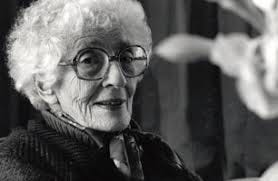
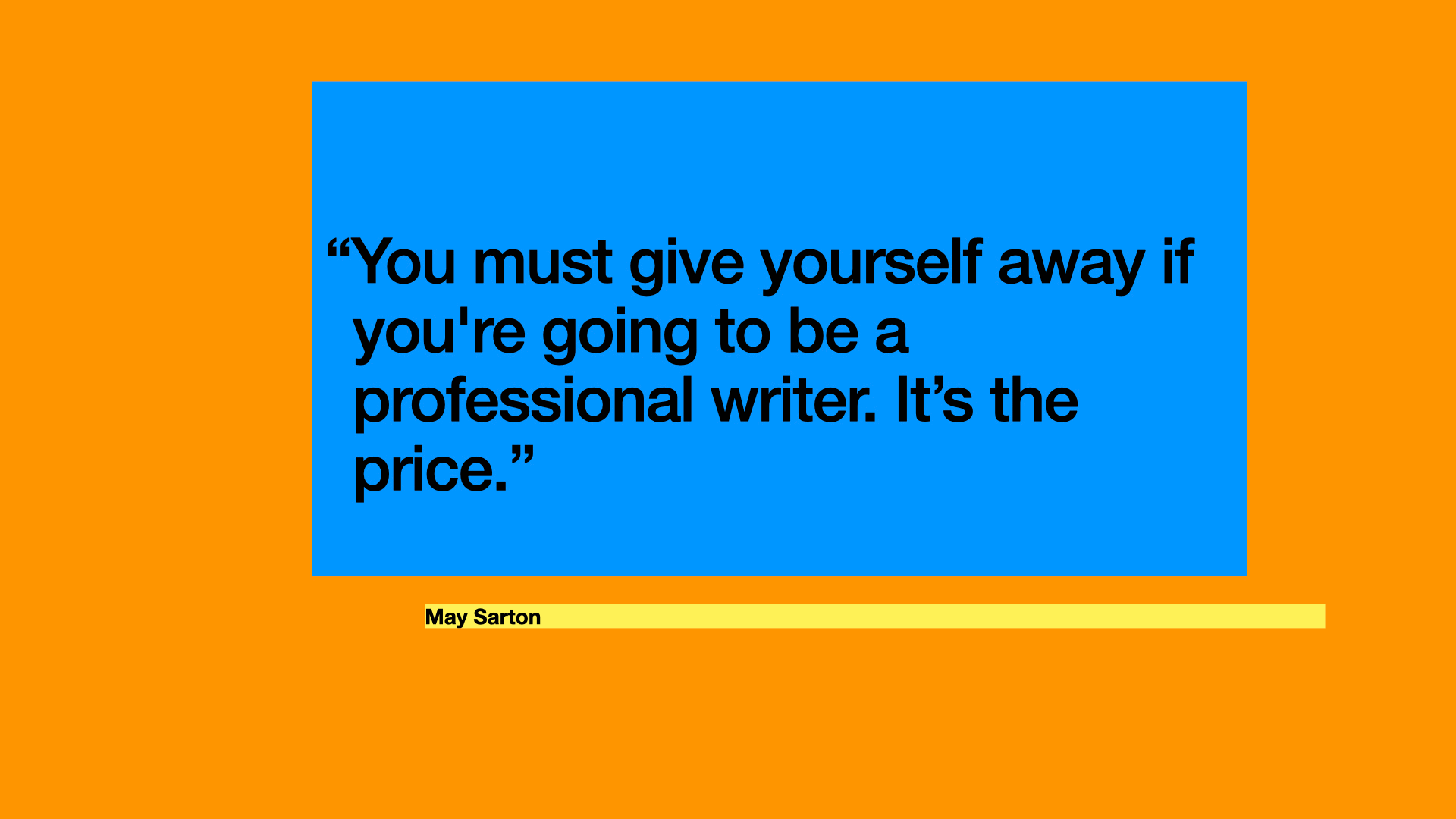
May Sarton gives some advice that lasts and covers everyone who follows (more on Sarton below): “You must give yourself away if you’re going to be a professional writer. It’s the price. Look at someone like Philip Roth in Portnoy’s Complaint; it’s obvious that everything is himself though he’s not saying ‘I.’ I had a letter from Willa Cather where she says that every one of her books is written out of a personal and usually painful experience—she who seems so classic and uninvolved.”
Mary Granville Pendarves Delaney (1700-1788)
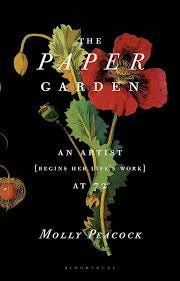
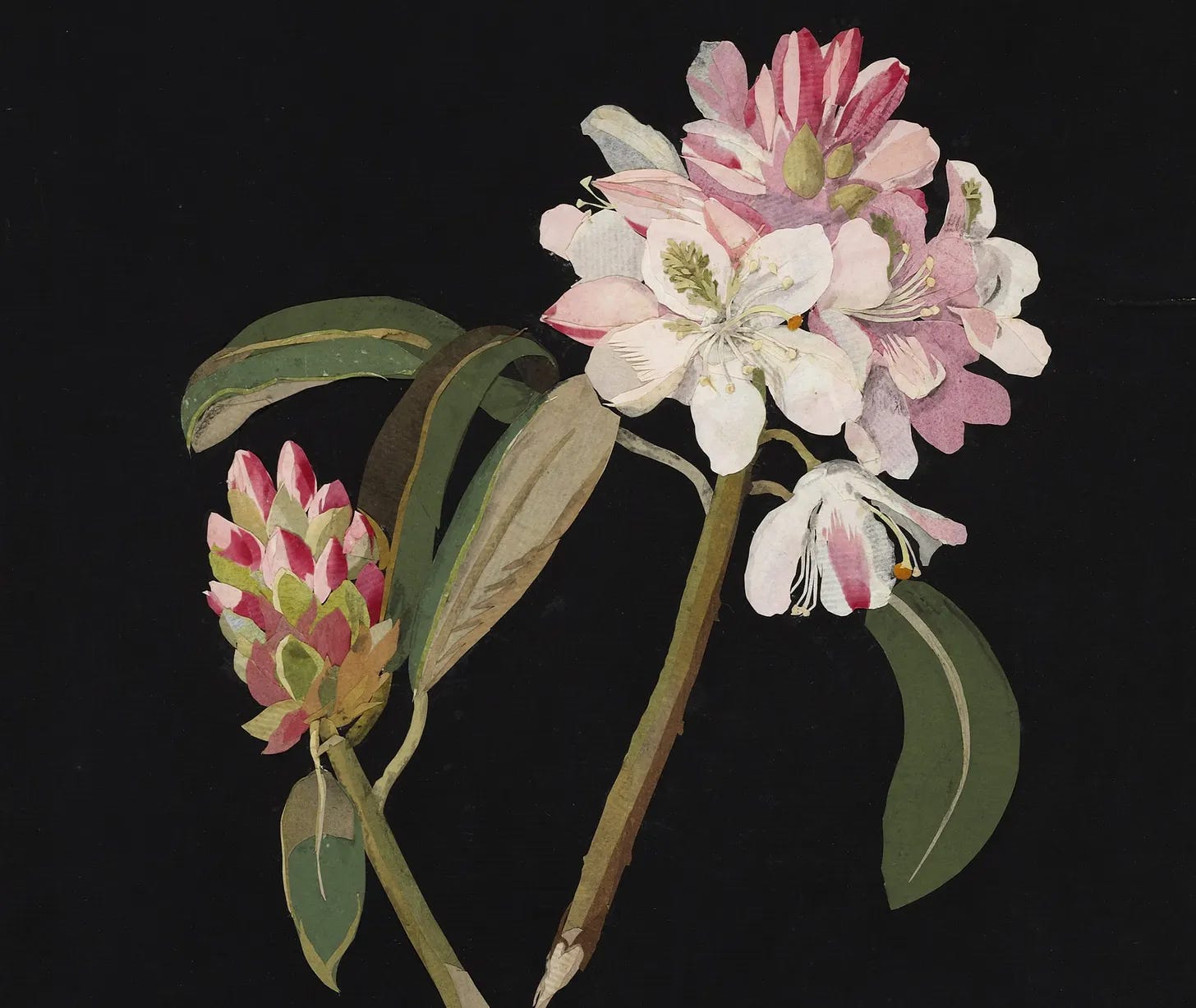
—whom Molly Peacock wrote about in The Paper Garden: An Artist [begins her life’s work] at 72 —yes, you read that correctly: at 72—who in 1772 invented the art of collage: She took hundreds of bits of brightly colored paper and composed botanically accurate portraits of flowers on dramatic black backgrounds. She didn’t think of herself as an artist but rather an amateur as she remade her world through her extraordinary creative work. I’ve interviewed Molly and more of Delaney’s flowers on that post.
Note: See what I said about this with my heartfelt thanks to Alisa Kennedy Jones for the Empress Questionnaire, another essay/ questionnaire that builds on all this—take a look by clicking on the Empress link above ⤴️.
Somerset Maugham:
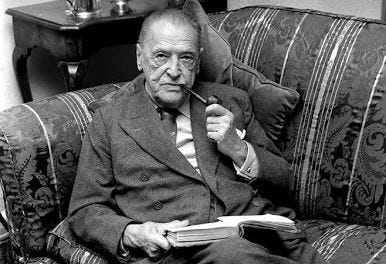
“When I was young, I was amazed at Plutarch’s statement that the elder Cato began at the age of eighty to learn Greek. I am amazed no longer. Old age is ready to undertake tasks that youth shirks because they would take too long.” [1]
Get this: Productivity was highest in their later years for Duchamp, Chagall, Trumbull, Chardon, Bracque, and Ernst when they produced 28% to 40% of their work.
Degas
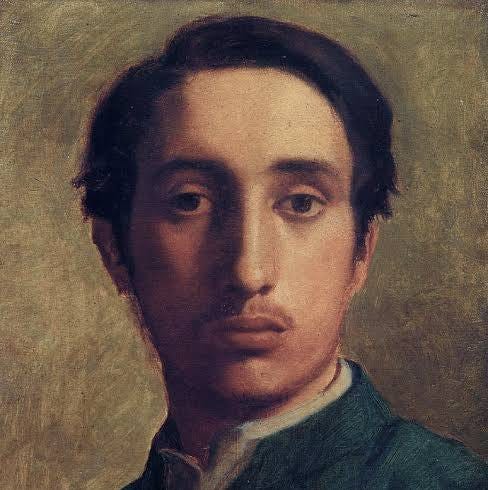
Degas did the bulk of his work (34%) in his forties.
Goya
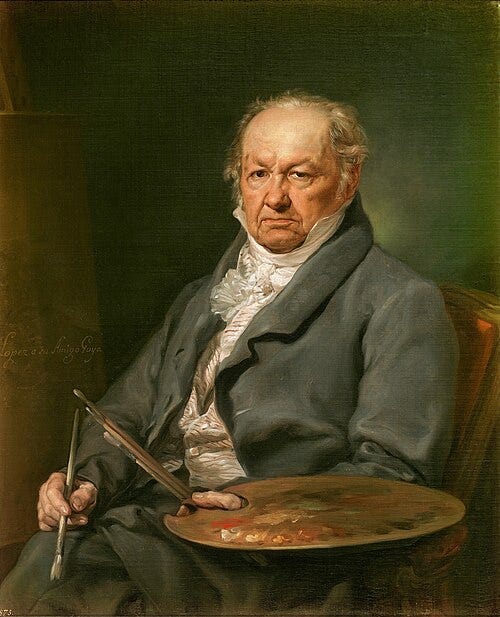
Goya was most productive in his fifties.
Rouault and Corot
A peak occurred in their seventies when they produced 25% to 43% of their work.
Picasso
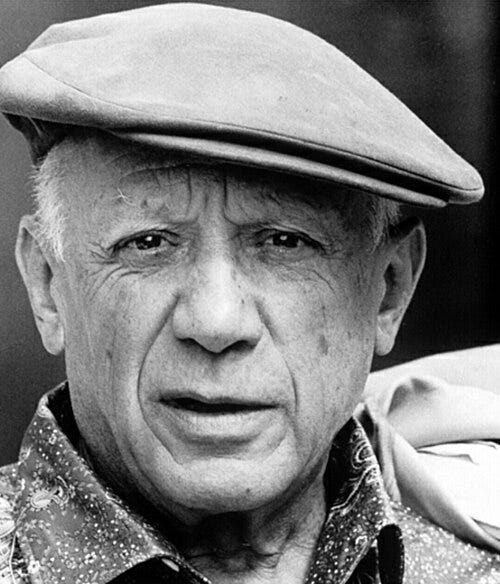
Picasso had three peaks: his forties, sixties, and eighties when he accomplished 68% of his work.
Matisse
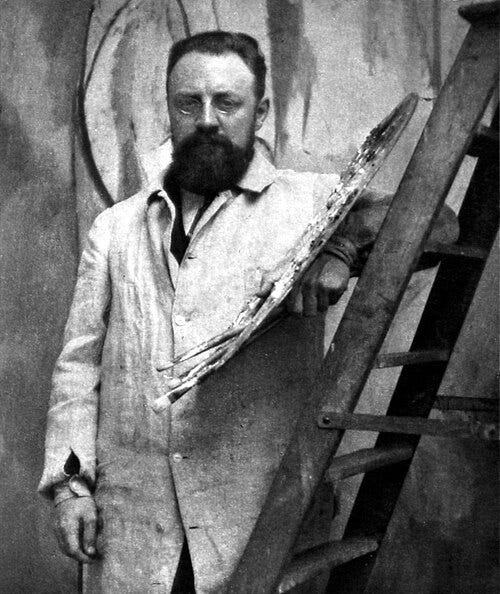
Matisse had four peak periods: in his twenties, forties, fifties, and sixties. He did 91% of his work in those decades.[2]
May Sarton (again), poet, novelist, and essayist, who suffered cancer and a stroke, wrote into her late eighties.
“I have always looked forward to old age, and the reason, as the poems make clear, is that I have known so many great old people. Well, I looked forward to old age wrongly because I imagined it would be serene and uncluttered, and rightly because it would make it possible for me to grow and to create poems and books that have growth in them. I am convinced that we are on earth to make our souls. And to that extent old age, of course, is the most thrilling time of all. Because we are coming close to an end, this conviction that the making of a soul is of paramount importance is very much with us.”
In February 1996, The New York Times best seller list included Tiger in the Grass by Harriet Doerr (age 85) and Having Our Say by Sara and Elizabeth Delaney, African-American sisters, ages 99 and 100, respectively.
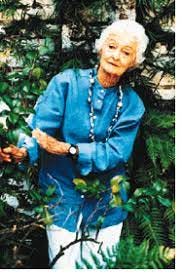
Three years after her husband’s death, 65-year-old Harriet Doerr returned to school to complete a B.A. in European history. In 1984. At age of 73, Doerr’s first novel, Stones for Ibarra, won the American Book Award.
The Delaneys had no previous book. They were working as a schoolteacher and a dentist.
No one ever told Doerr or the Delaneys they were too old to be creative. They and thousands of other older adults who have joyfully entered into the creative process have what one observer called, “this divine discontent, this disequilibrium, this state of inner tension that is the source of '“artistic energy.”
Germain Greer
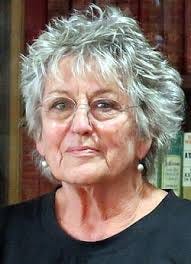
“You know I’m awfully surprised when I reread anything of mine and dismayed because I feel I could never do that now. I feel very much weaker than my best work. Whenever I start a novel, I think I know nothing—and after all there are twelve or so novels—and I think, ‘Well how do you get someone into the room’ or ‘what is dialogue all about?’ I go through the whole process of discovering the form again and of how to do it. It’s terrifying. I’m trying to do a novel now and I’m absolutely terrified. So when I go back, I’m sometimes pleasantly surprised, although I wouldn’t do it that way now.” (Women Writers Talking: see footnote 3)
Isak Dinesen:
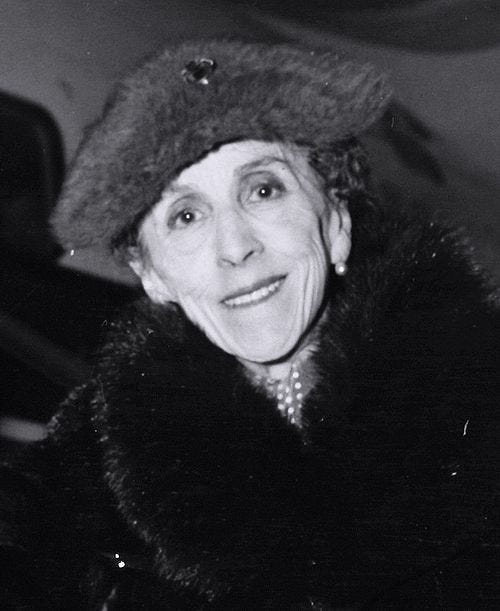
When Karen Blixen was forty-six she came out of Africa back to Denmark.
“ [edited for brevity] Her coffee plantation in Kenya had gone broke; auctioned off to pay the accumulated debts, the stockholders lost more than £150,000. Her unfaithful husband, whom she’d forgiven for giving her syphilis, insisted on a divorce, which she agreed to with reluctance. All her hopes of pregnancy were dashed. She’d quarreled with her lover who was killed in a plane crash days later. She’d attempted suicide at least once during this turbulent time. She was so thin and frail that her friends suggested she go to a clinic in Montreux where she found out that her syphilis, which had been supposedly cured, had become syphilis of the spine, tabes dorsalis. The course of the disease was well known; locomotor ataxia meant she would never again walk properly, anorexia meant that food would nauseate her. She’d develop perforating stomach ulcers, and her face would soon take on a deadly pallor and be covered with a grid of tight wrinkles. Her greatest bereavement was the loss of Africa that left her with a physical longing for the light, the sky and the bush that never faded. Crates of treasured possessions followed her to Denmark, but she didn’t open them for thirteen years.
Baroness Blixen’s way of dealing with her intense physical and mental pain, climactic in every sense of the word, was reborn as Isak Dinesen. Isaac was the post-menopausal child of Abraham and Sarah, who said when he was born, “God hath made me to laugh, so that all that hear will laugh with me.” Dinesen was Blixen’s maiden name. She herself called this time her fourth age, saying she began to write “in great uncertainty about the whole undertaking, but, nevertheless, in the hands of both a powerful and happy spirit.”
In 1934 this new forty-eight-year-old writer produced Seven Gothic Tales. She thought she had one foot in the grave when she wrote Out of Africa, published in 1937, about the Africa she lost, and with it the love, hope, health and light that she’d never know again; it’s imbued with the elegiac feeling that is the reward for having been able to mourn and to let go. [4]
Remember: It’s never too late and it ain’t over till it’s over—to be a bit trite, but, darn it, also true.
You have been a gift to me, my distant friends. Thank you for your support and I give back any way I can— often with a restack— and more as I am able. The gifts here on Substack of giving to each other, especially for us writers who are not politicos where most of the subscribers seem to go. We have hope here and you, reading this, are one of our hopes.
[1] Some of these quotes come from this book: Elderlearning: New Frontier in an Aging Society by Mary Fugate, Lois Lamdin; Oryx Press, 1997.
[2]Adams-Price, Carolyn E.,Creativity and Successful Aging: Theoretical and EmpiricalApproaches, Springer Publishing 1998.
“Serenity and Power,” by Germaine Greer, The Other within Us: Feminist Explorations of Women and Aging, Marilyn Pearsall; Westview Press.
Photo: Harriet Doer, “Late Bloomer”, Stanford Magazine.
Photo: Mary Delaney flower via The British Museum.
Love,
I will echo what everyone else is saying here. You are an unparalleled writer, visionary, storyteller Mary. The way your sentences have worked themselves into my DNA is a uniquely electrifying experience and I have no doubt your masterclass will offer this to students tenfold.
Dear Mary, do I even need to tell you how I have loved, been inspired and wished, countless times, that I had written the sentence I had just read in one of your novels or essays? You are already a Masterclass to those of us who read you!
Don't even hesitate in your offering, you have given much and doubtless have so much more!