


On Writing a Novel: Publisher of Shelf Unbound Margaret Brown asks the question, How?
Interview

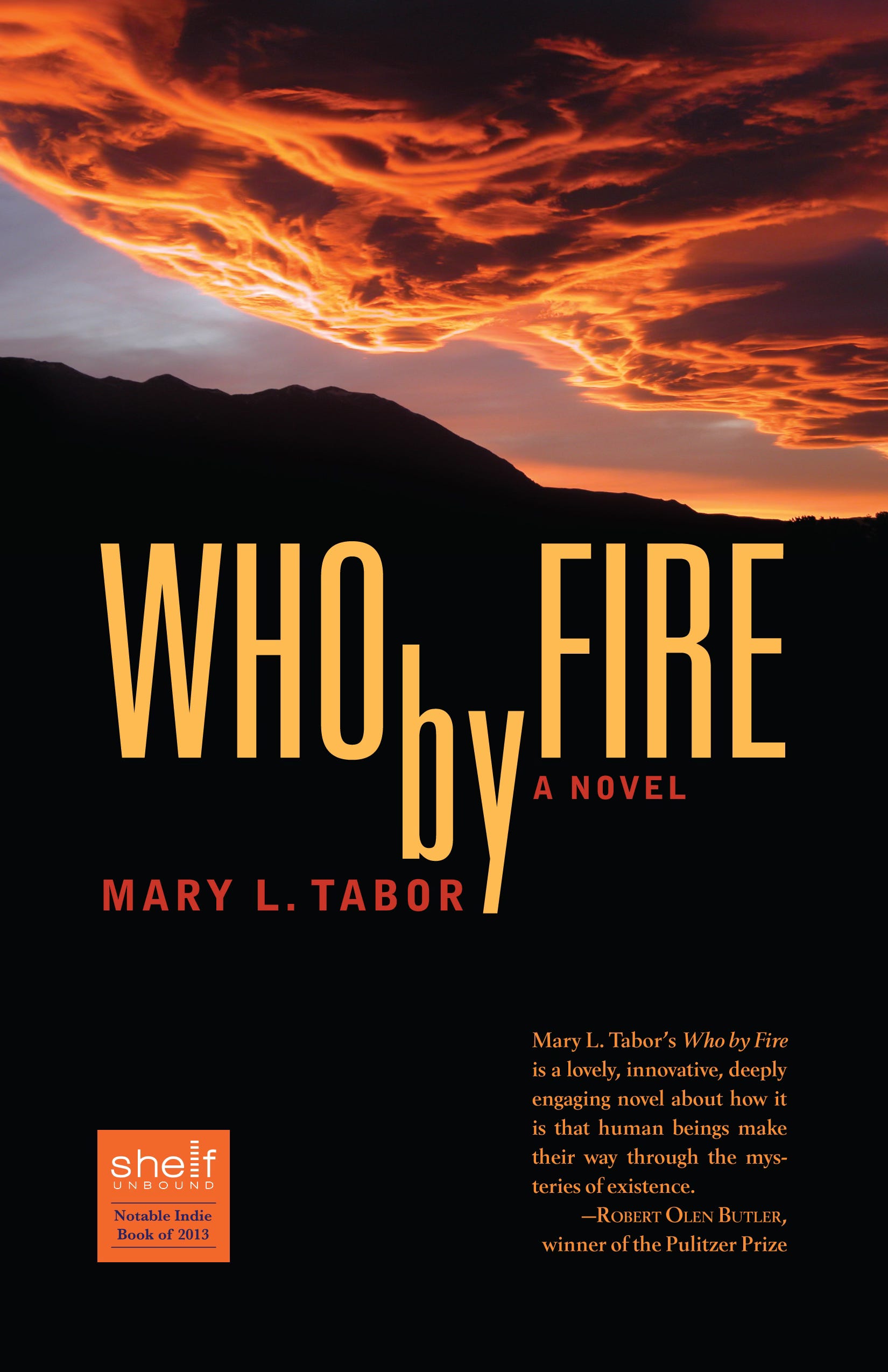
A re-issue, special edition, of Who by Fire will be published by via Empress Editions, a subsidiary of Simon and Schuster .
Margaret Brown's interview with Who By Fire author Mary L. Tabor
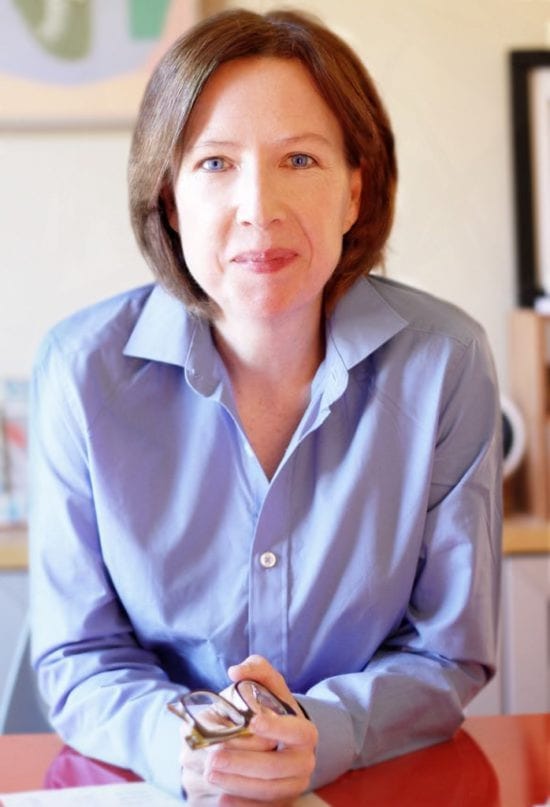
Margaret Brown founded Shelf Unbound: What to Read Next in Independent Publishing discovered the novel at the Manhattan Bookfair and proposed this interview for her magazine, republished here. A link to the interview in Shelf Unbound appears at the close.
Shelf Unbound: You have your main character creating the story of his deceased wife’s affair through memory and invention. It’s a novel approach to narrative — how did you arrive at it?
Mary L. Tabor: It’s fascinating to me that you use these two words memory and invention. Robert invents the story he didn’t know as he tries to discover what his wife actually did while she was alive. Perhaps the biggest risk I take in the novel is that use of invention. But I still have to make clear to the reader that real time, what I call the “now” or the present action of the story, is always operating, driving the plot forward, driving my narrator Robert forward. As Robert and I invented the story he didn’t know, my own memories invaded as they inevitably will for the writer of any story.
Mary L. Tabor’s ingeniously constructed and emotionally rich Who by Fire has a middle-aged widower traversing the downward spiral of his marriage.
Highly recommended for your book club.
Memory by its very nature is flawed, but the need to revisit memory over and over again is part and parcel of being human and alive. Revisiting memory is the way we search for meaning in our lives, for the narrative of who we are and who we might become. In some sense, we’re inventing. But in fact we’re searching for emotional truth. As writers, we aspire to find that. When fiction rings true like a bell, we believe it.
Shelf: The story reveals the fissures in two marriages. You’ve written about marriage before — what interests you about the subject?
Tabor: The ultimate challenge to our humanity gets played out day in and day out in marriage. When E.M. Forster asserts in the epigraph to Howard’s End, “Only connect…”, he sets the challenge for all of us. In a committed relationship with another, whether there be a contract or not, we romantics hope for transcendence in love. But, of course, our flawed humanity that includes the baggage of our past gets played out in daily living. It gets played out in the ordinary: buying the groceries, commuting, sweeping up the messes that occur again and again. The only way through all
that, I think, is to believe that transcendence in love comes hand-in-hand with the transformation of one’s self — not the other, not the beloved. But that’s only part of my answer. Marriage as subject provides for me a solid place to search for answers about the meaning of existence. Not to get too philosophical on you, but the search for meaning is the reason I write — and read.
Shelf: One of the main female characters is named Evan. I’m wondering why you chose a masculine name for her?
Tabor: Until you asked me, I hadn’t realized Evan is a male name. The unconscious mind is tricky, isn’t it? I love the character Evan more than anyone else in the book. The answer might be as simple as this: As I’m heterosexual, perhaps I unconsciously gave her that name.
Shelf: You’ve taught creative writing. What did you learn in the process of writing this book that you would share with your students?
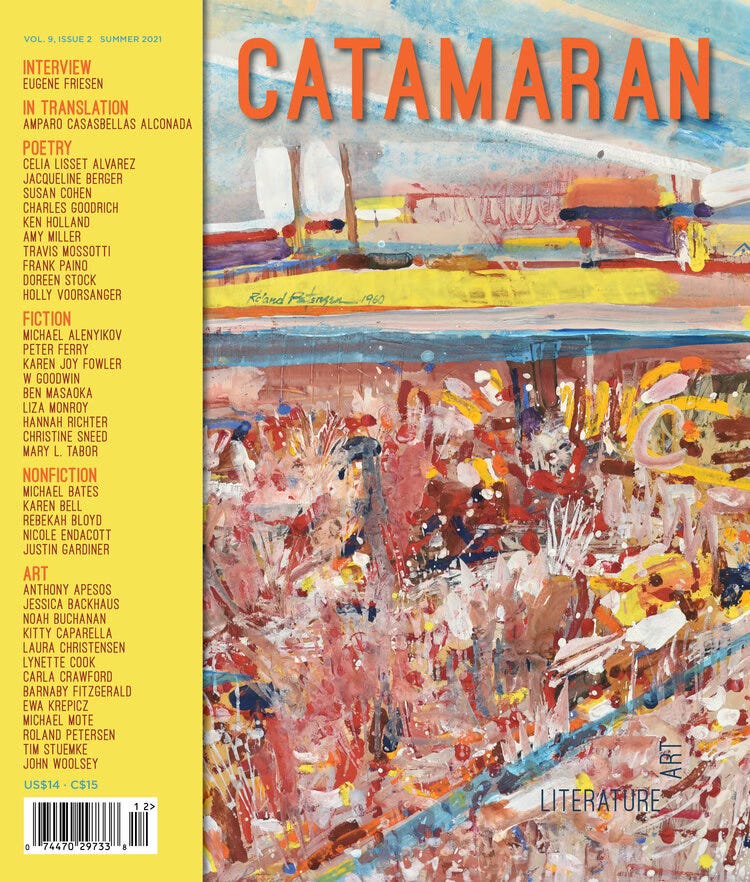
Tabor: Save everything. I think most writers are hoarders. When a student has told me after a workshop that he’s going to trash a story, I’ve reacted in horror, but until I wrote this book, I’m not sure I fully understood why. Many years ago, I read an article in the newspaper about a baby’s bones found in a suitcase in the attic of a house after it had been sold on Veazey Street in DC. I cut it out and saved it. Didn’t know why, just couldn’t forget it. Later I wrote a short story about what might have happened and titled it “The Suitcase.” 1 That story re-envisioned became a key part of the novel.
Shelf: You recently posted: “I’ve written a novel entitled Who by Fire, ten years in the making, and I’m pretty sure not many folks will ever hear of it or read it.” What would it mean to you if people did read it?
Tabor: I know from all your questions that you understand the risks, the unusual structure of this novel. If it ever got read, I would cry because I’d be so indebted to those readers, as I am to you. I would cry in gratitude.
Link to: Shelf Unbound Interview in the Magazine
Table of Contents for Who by Fire
Got this far? You can have a little fun and help with the next step. We’re doing a playlist to accompany the Empress Edition re-issue of Who by Fire. It will all tie into the book while going way beyond the music referred to in the novel. Ideas for songs?
"The Suitcase" short story, Catamaran Literary Reader, Vol. 9, Issue 2: Summer 2021, Issue 33
I greatly enjoyed this interview with Mary. Who by Fire is nestled on my Kindle waiting for me.
Congratulations, Mary!